
How to layer for a cold trail morning
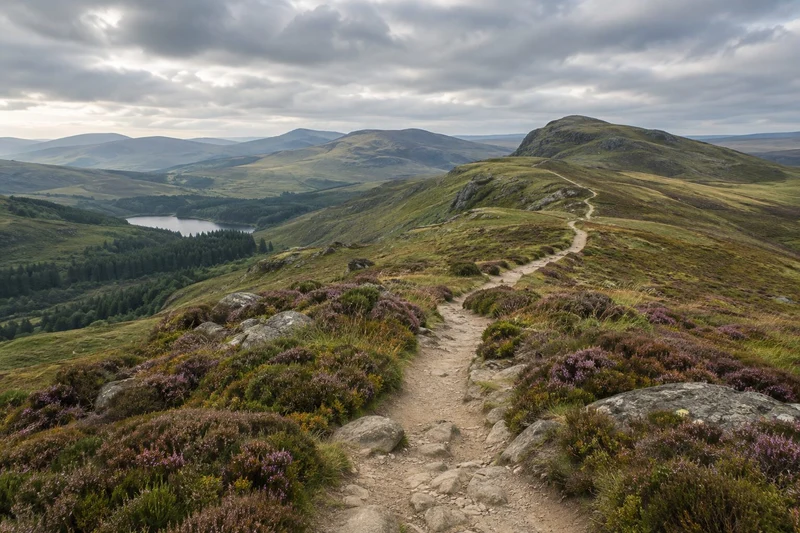
The hardest part of a cold run is the first ten minutes. You step out of the car, the wind cuts through everything, and you want to pull on every layer you own. Then you warm up on the first climb and spend the rest of the run carrying a jacket you never needed. A simple three-layer system fixes that.
Start next to your skin
Your base layer has one job: move sweat away from you so you stay dry when you slow down. The Merino Base Layer uses 87% merino wool around a nylon core, at 190 g per square metre, so it keeps you warm when you stop and cool when you climb. It is cut to sit next to skin, and the thumb loops keep the sleeves in place under a shell. If you plan to layer underneath, size up.
Add warmth you can vent
Your mid layer traps heat, but it should also let steam out. The Fleece Quarter-Zip is a recycled grid fleece: the grid holds warm air and breathes on the climb. Open the quarter zip as soon as you start to heat up and close it again on the descent. The stand collar keeps wind off your neck at the top.
Carry the weather layer
Your outer layer is the one you hope not to use. The Packable Rain Shell has a 20,000 mm waterproof rating and packs into its own chest pocket, so it lives in your vest until the forecast turns. Pit zips let you dump heat without taking it off. It is a pre-order today and ships with the first production run.
Finish the edges
Most heat loss you notice happens at your head and hands. A Merino Trail Beanie fits under a hood and stays warm when damp. Put it in a pocket once you warm up.
The rule of the third mile
Dress so you feel slightly cold for the first few minutes. By the third mile you will be comfortable, and every layer you skipped is one less thing to carry. If you are not sure what fits your plans, the fit finder suggests an outfit in four questions.